Basketball Mom SVG: Mama Game Day Embroidery Review
I pulled up Basketball Mom Svg, Mama Svg, Game Day for a real client order last week—a mom wanted a bold, courtside-ready design on a charcoal sweatshirt for her daughter’s tournament weekend. As a designer who stitches nearly every day, I’m not just looking at a flat graphic. I’m already thinking about how the thread will lay, which stabilizer will hold up through wash cycles, and whether a customer will smile when they pull that finished product out of the box. This digital SVG file lands squarely in the T-Shirt Designs category, but I treat every graphic as a potential embroidery asset. Right away, the energy of the design told me it could work, but only if I approached it with a real embroidery mindset.
First Impression: The Energy of the Design
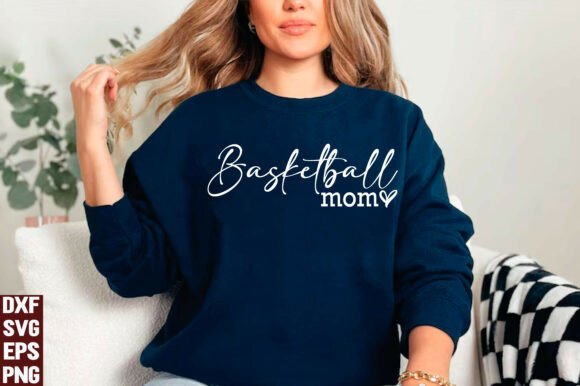
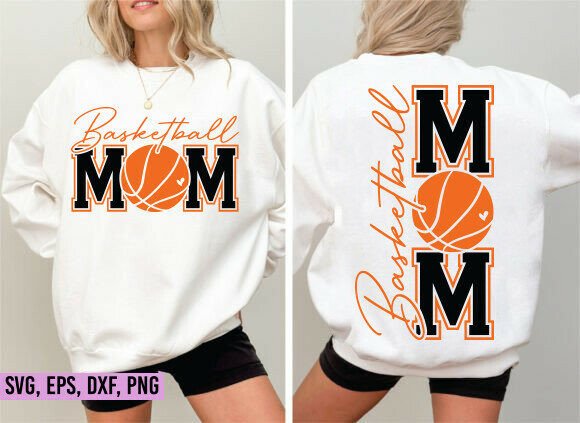
Opening the file, the first thing I noticed was the confident, game-day personality. The layout usually pairs a basketball motif—maybe a ball, a net, or a silhouette—with words like “Basketball Mom” or “Mama” in a spirited, typography-driven style. It’s not dainty; it’s meant to be seen across a gym. The shapes are bold enough to hold their own on a sweatshirt, but there’s a warmth in the “Mama” phrasing that makes it feel personal, not just generic fan gear. As a pure graphic, it’s clean and scalable. The mood is proud, a little playful, and completely ready for the bleachers. For embroidery, I immediately started scanning for tiny details: fine serifs, thin outlines, or any element that might close up under satin stitches. A design like this lives or dies by how well the lettering translates to thread, and that’s where my real test would begin.
Real Embroidery Scenarios: Where This Design Shines
In my shop, I envision this design across a range of handmade products. The most natural home is a custom apparel piece—a crewneck sweatshirt or a relaxed-fit tee. The scale feels right for a 12x12 cm hoop or larger, giving enough room for letters to breathe. I also see it as a standout tote bag design, perfect for hauling sneakers, water bottles, and team snacks. On a canvas tote, the stitching would be sturdy and graphic, turning a simple bag into a statement piece. For baby items, a mini version on a baby onesie or a tiny bib could be adorable for a basketball-loving family, though I’d enlarge the text slightly for tiny sizes. Patches and caps are a different story—the curved surface of a cap demands careful resizing, and I’d keep the design narrow to avoid distortion. As a digital embroidery file, the SVG needs to be digitized first, but once converted, it opens up a world of small shop products and Etsy seller inventory.
The Sweatshirt Test: A Practical Use Case
My client’s charcoal sweatshirt was the perfect proving ground. I digitized the design with a low-stitch underlay to anchor the text on the fleece, then added a mix of satin stitch for the lettering and a light fill stitch for the basketball graphic. I chose a bright white thread for the main text and a contrast orange for the basketball accents. On a dark fabric, the thread colors popped beautifully, but I had to pay close attention to stitch density—too many stitches and the sweatshirt would feel stiff; too few and the fabric would show through the satin. A medium-weight cutaway stabilizer kept everything flat, and the final result looked like something you’d buy at a team store. That’s the sweet spot for a personalized gift: it feels premium, not homemade.
Beyond Apparel: Tote Bags and Home Decor
Next, I tested a sample on a cotton-linen tote bag. The flatter, woven fabric eliminated the stretch factor, so I could use a tearaway stabilizer for a cleaner back. The design’s lines translated crisply, and the finished embroidered patch effect was both durable and charming. I can easily imagine a whole holiday embroidery collection built around this theme—gift for a basketball mom, a pillow cover for the family room, or even a kitchen towel for the team snack organizer. It’s the kind of handmade product that feels thoughtful and specific, which is exactly what craft fair shoppers and online buyers gravitate toward.
Potential Pitfalls: What to Watch Out For
As much as I like the design, no digital graphic is plug-and-play for embroidery. The most common hiccup is tiny lettering. If the SVG includes a small “Game Day” subtext or decorative stars, those might need to be enlarged to at least 6 mm to stitch cleanly. I always run a black-and-white mockup first to see if any details disappear. Textured fabrics like waffle weave or a thick terry cloth towel can make satin stitches sink in, so I’d add a water-soluble topping on those. On thin, stretchy fabric, like a raglan tee, hooping with a cutaway stabilizer and basting the fabric is non-negotiable. Curved surfaces—caps, especially—require a careful hoop and a slightly condensed shape. And on dark fabric, never assume a light thread color will be opaque; a double layer of satin or a slightly bolder digitizing path can save the design from looking washed out.
Font Size and Detail
The “Basketball Mom” lettering is the star, so I scrutinized every serif and curve. If the original Graphics file has a script style with thin connectors, I’ll manually thicken those in my digitizing software. A running stitch outline might be tempting for speed, but I find a well-placed satin stitch gives the text the authority it needs. I always test-stitch the smallest text element on a scrap of the same fabric to see if it closes up. In my experience, it’s better to simplify the design a little than to let a customer find a muddled letter after the first wash.
Fabric and Stabilizer Tips
For this project, I keep a mental checklist: stretchy fabric gets a firm cutaway stabilizer; woven fabric gets a tearaway; fluffy fabrics get a topper. I also check the hoop size before digitizing. If the design is meant for a 4x4 hoop, I make sure the scaled version doesn’t crowd the edges. I’ve learned the hard way that a design that looks perfect on screen can be a nightmare to hoop if you don’t leave a margin. And always, always, test on a similar fabric to the final product—a sweatshirt scrap, not a quilting cotton.
The Customer Appeal: Why This Design Sells
There’s a reason sports-mom themes are a staple in craft business circles. The emotion is instant. A basketball mom will see this design and immediately picture herself wearing it at the game, or giving it to a fellow mom as a season-end gift. That emotional hook translates directly to product value and customer trust. When a buyer receives a neatly embroidered sweatshirt with this design, the recognition factor is high—it feels like a boutique item, not a generic graphic. I’ve found that personalized gifts in this niche move fast, especially around tournaments, Mother’s Day, and the holidays. A printable mockup of the stitched design on a sweatshirt or tote can seal the deal in an Etsy listing, because it shows the buyer exactly what they’re getting.
Presentation and Branding
As a small shop product, the finished embroidery should be photographed with care. I style it on a neutral background, include a close-up of the stitching, and sometimes add a cute basketball or a pair of tiny sneakers as a prop. This design has a strong brand consistency—it’s instantly recognizable as game-day gear, which helps build a cohesive look for a shop. Whether you sell the finished sweatshirt or the digital embroidery file itself, the design’s personality shines through, making it a reliable asset for recurring listings.
Practical Designer Notes: My Embroidery Workflow
Whenever I bring a new SVG like this into my embroidery software, I follow a clear routine to avoid wasting thread and time. Here’s the checklist I use before a single stitch goes into a finished product:
- Test on scrap fabric that matches the final product’s weight and stretch.
- Check thread color contrast on both light and dark backgrounds—what looks bright on a screen can be dull on fabric.
- Review stitch density; adjust so the fabric doesn’t pucker but the design remains opaque.
- Confirm the hoop size and leave at least 1 cm of clear space inside the hoop for proper hooping.
- Inspect small details like decorative dots, accents, or thin lettering, and enlarge them if needed.
- Test in black and white mockups to see if the design loses clarity without color.
- Use proper stabilizer: cutaway for knits, tearaway for wovens, water-soluble topping for textured or pile fabrics.
- Check licensing before selling finished items—even though it’s a digital download, confirm the terms allow commercial embroidery.
Conversion from SVG to Embroidery File: My Key Considerations
Since this is a digital product in a ZIP folder, I’m starting with a clean SVG—no premade stitch file. That means I have full control over digitizing, but it also means I need to be smart about how I translate the design assets. I’ll often simplify the graphic: merge overlapping shapes so the machine doesn’t jump unnecessarily, and convert brush-like strokes into satin paths. For the basketball element, a combination of satin stitch for the outline and fill stitch for the inside works well, while the text almost always deserves a satin stitch for that glossy, professional look. I also keep a close eye on the start and stop points to minimize trims. The final embroidery file I create becomes a reusable asset in my library, ready for future embroidery projects.
Final Thoughts: Is It Worth the Stitch?
After working through the digitizing and test-stitching, I can say Basketball Mom Svg, Mama Svg, Game Day is a solid pick for anyone looking to create commercial embroidery products that feel personal and energetic. It’s not a blind drop-in—you’ll need to give it thoughtful digitizing attention, especially around font size and fabric choice—but the payoff is a finished product that customers will love. I’ve already added it to my lineup of game day embroidery offerings, and I’m stitching it on tote bags, sweatshirts, and baby blankets for the upcoming tournament season. For Etsy sellers, craft business owners, and embroidery hobbyists alike, this design has the right mix of personality and practicality. Just remember to test, tweak, and trust your eye—and always confirm the license terms before you list that first hoop-filled masterpiece.